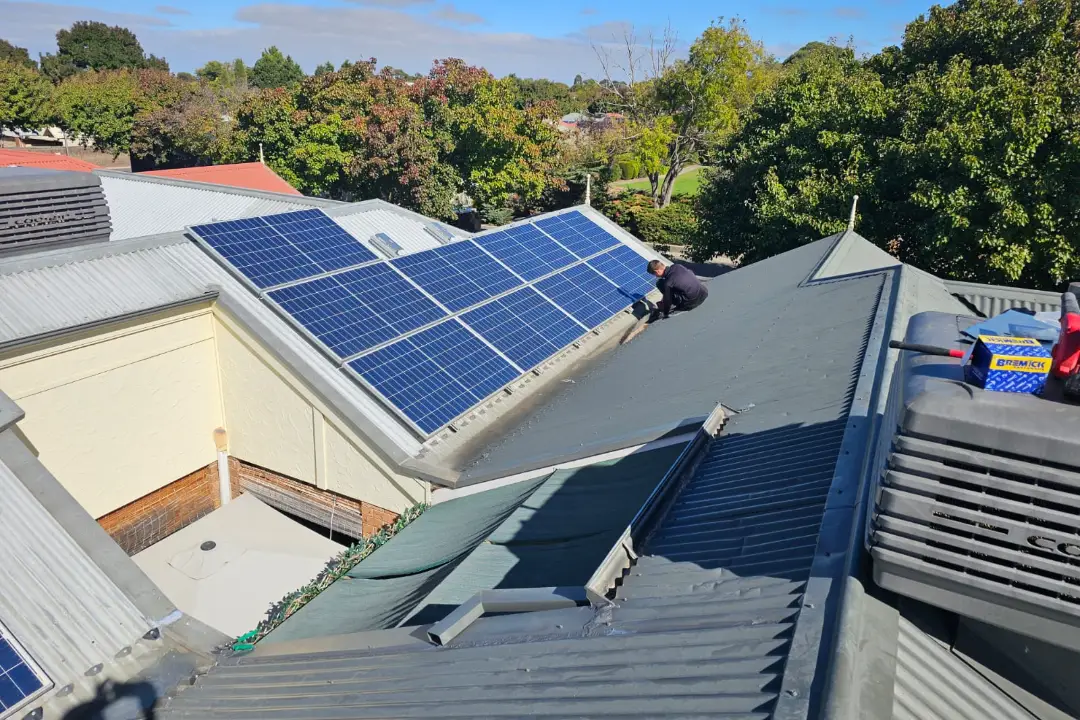
Why Roof Problems Often Start with Gutters
Many people think roof issues begin with visible damage — cracked sheets, leaks, or rust. But in practice, most problems start earlier, at the drainage level.
When gutters don’t move water away efficiently, moisture begins to collect along roof edges and under structural elements. Over time, this leads to hidden damage that becomes expensive to fix.
I’ve seen this pattern multiple times while working around rural buildings — especially where older systems were never upgraded. What looks like a “roof problem” is often a system imbalance.
A properly designed roofing system always includes drainage as a core component, not an afterthought. That’s why I often refer people to practical examples and breakdowns like those shared by https://kompaqroofing.com.au/roofing/ — where roof replacement is approached as a full system upgrade, not just a surface fix.
Key signs your drainage system may be failing:
- water pooling near roof edges
- overflow during moderate rain
- ust or staining along gutters
- recurring leaks after repairs
Fixing the visible issue without addressing water flow usually leads to repeat problems. Long-term performance depends on how well the entire system works together — roof, gutters, and drainage paths.
In many cases, replacing or upgrading guttering is what actually solves the problem — not patching the roof.
Why Roof Problems Often Start with Gutters
Many people think roof issues begin with visible damage — cracked sheets, leaks, or rust. But in practice, most problems start earlier, at the drainage level.
When gutters don’t move water away efficiently, moisture begins to collect along roof edges and under structural elements. Over time, this leads to hidden damage that becomes expensive to fix.
I’ve seen this pattern multiple times while working around rural buildings — especially where older systems were never upgraded. What looks like a “roof problem” is often a system imbalance.
A properly designed roofing system always includes drainage as a core component, not an afterthought. That’s why I often refer people to practical examples and breakdowns like those shared by https://kompaqroofing.com.au/roofing/ — where roof replacement is approached as a full system upgrade, not just a surface fix.
Key signs your drainage system may be failing:
- water pooling near roof edges
- overflow during moderate rain
- ust or staining along gutters
- recurring leaks after repairs
Fixing the visible issue without addressing water flow usually leads to repeat problems. Long-term performance depends on how well the entire system works together — roof, gutters, and drainage paths.
In many cases, replacing or upgrading guttering is what actually solves the problem — not patching the roof.